Shells and Pebbles
Interesting finds on the shores of the history of science and the humanities
-
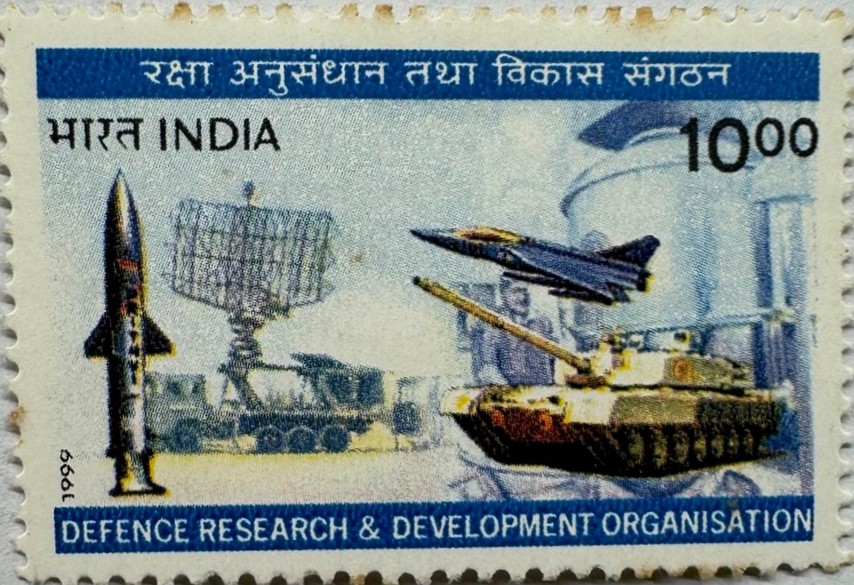
Power of Postcoloniality and the Coloniality of Power: India’s Indigenous Missile Programme and the International Reaction
Introduction Nearly 80 years since India gained independence from the British Raj in 1947, the country is still viewed by the Western world through the lens of colonialism. It was recently evident when India’s Mars Orbiter Mission (unofficially known as Mangalyaan) had reached Martian orbit on the 24th of September 2014. It was the first…
-
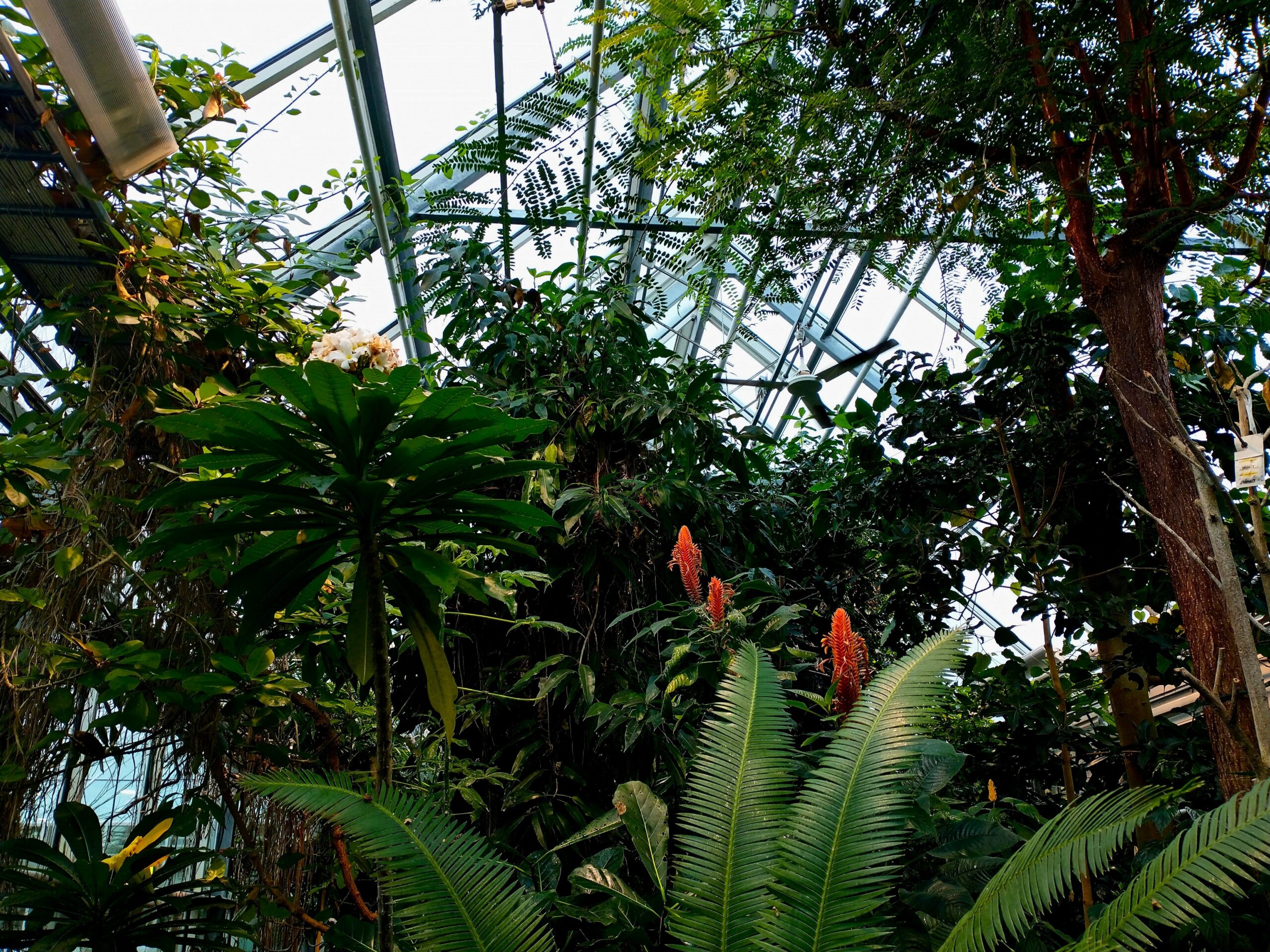
Beyond What the Eyes Can See: Sensory Experience and Botanical Knowledge in Uppsala’s Linneanum Orangery and Tropical Greenhouse
It is a cold, grey November day in Uppsala, Sweden. I am walking underneath the enormous columns of the Linneanum (Fig. 1), the stately building commissioned with funds donated to the University by King Gustav III in 1787. It is the centerpiece of Uppsala University’s Botanical Garden (Botaniska trädgården), established in the same year by…
-
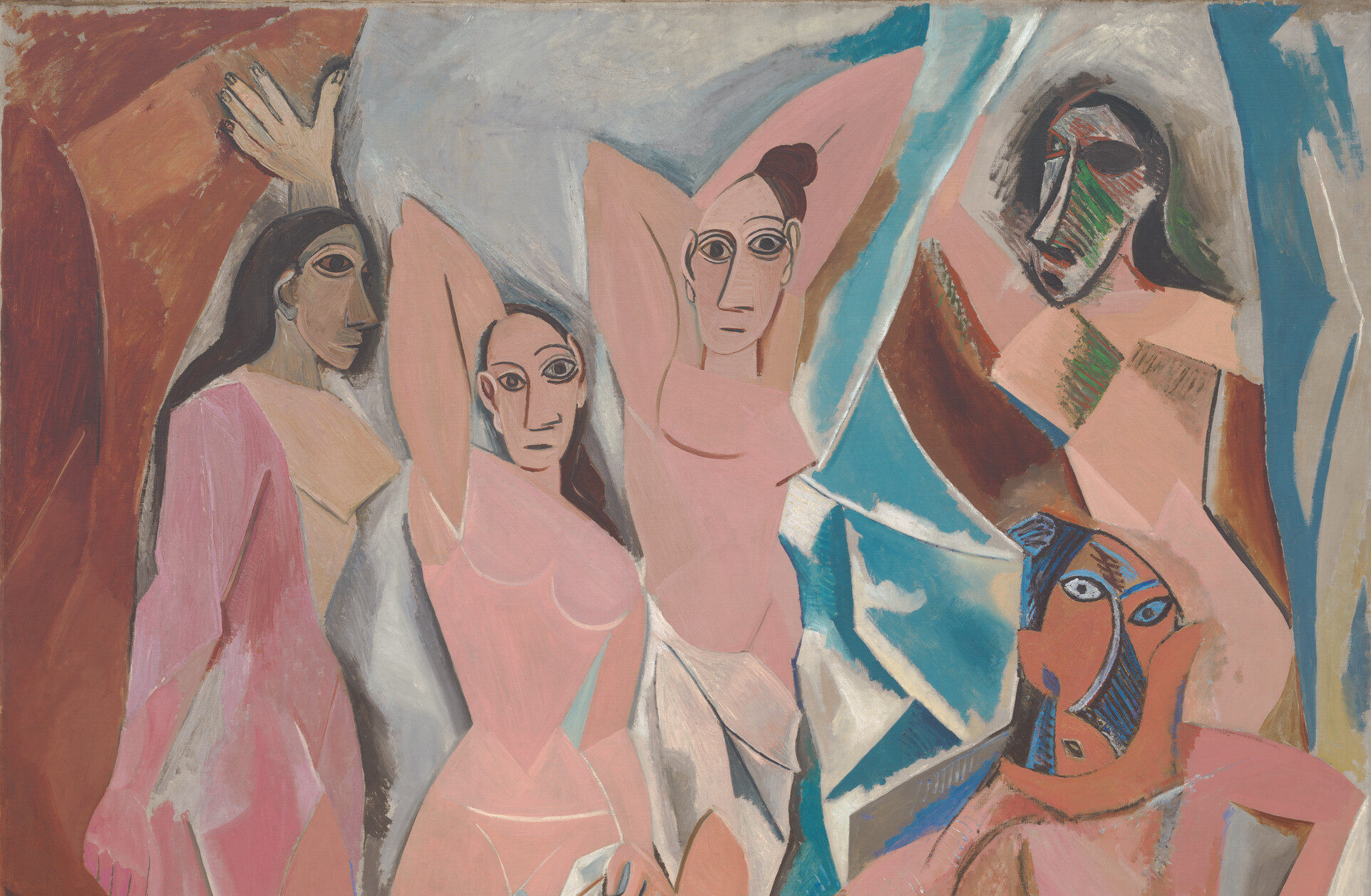
Philosophy, Les Demoiselles d’Avignon, and Statistical Aesthetics in the Age of Uncertainty
In 1900, Gustav Klimt (1862-1918) completed Philosophy, one of a trio of murals that, along with a contribution from Franz Matsch (1861-1942), had been commissioned to adorn the ceiling of the University of Vienna’s Great Hall (see figure 1). The given theme for the entire set of murals (each over four meters in height) was…
-

‘Je moet me gewoon onderbreken hoor’
Een interview met afzwaaiend hoogleraar Frans van Lunteren Op een rustige maandagmiddag ontmoet ik Frans van Lunteren. We spreken elkaar op de VU, waar hij juist het laatste lege vergaderhokje tussen de flexplekken (‘geen goede ontwikkeling’) weet te bemachtigen. Ons gesprek zal regelmatig raken aan het thema van goede en minder goede ontwikkelingen, binnen het…
-

A Day in the Life of a PhD Candidate
Three academic years ago, a rag tag team of PhD Candidates took up the task of resurrecting Shells & Pebbles. Since then, several have completed their PhDs and graduated to new pursuits, or have nearly completed it, and need to devote the entirety of their brain power to finishing. In their place, we’ve had several…
-
Notes from the United Nations Buffer Zone
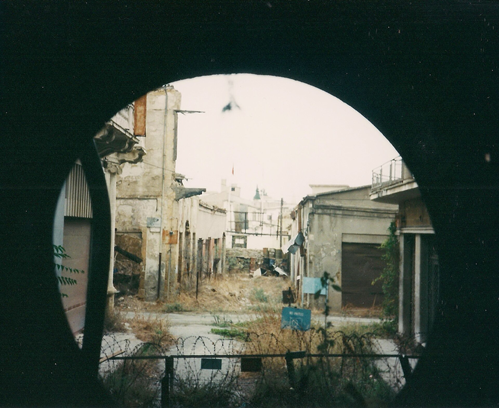
I used to perform this joke when I was still working the comedy circuit in Amsterdam. It was a textbook comparison joke, where the comedian compares something familiar to the audience with something personal, an Other that is humorously introduced through the joke. In this joke, I compared the experience of waking up to birdsong…
-
Mini-tentoonstelling historische statistische visualisatie
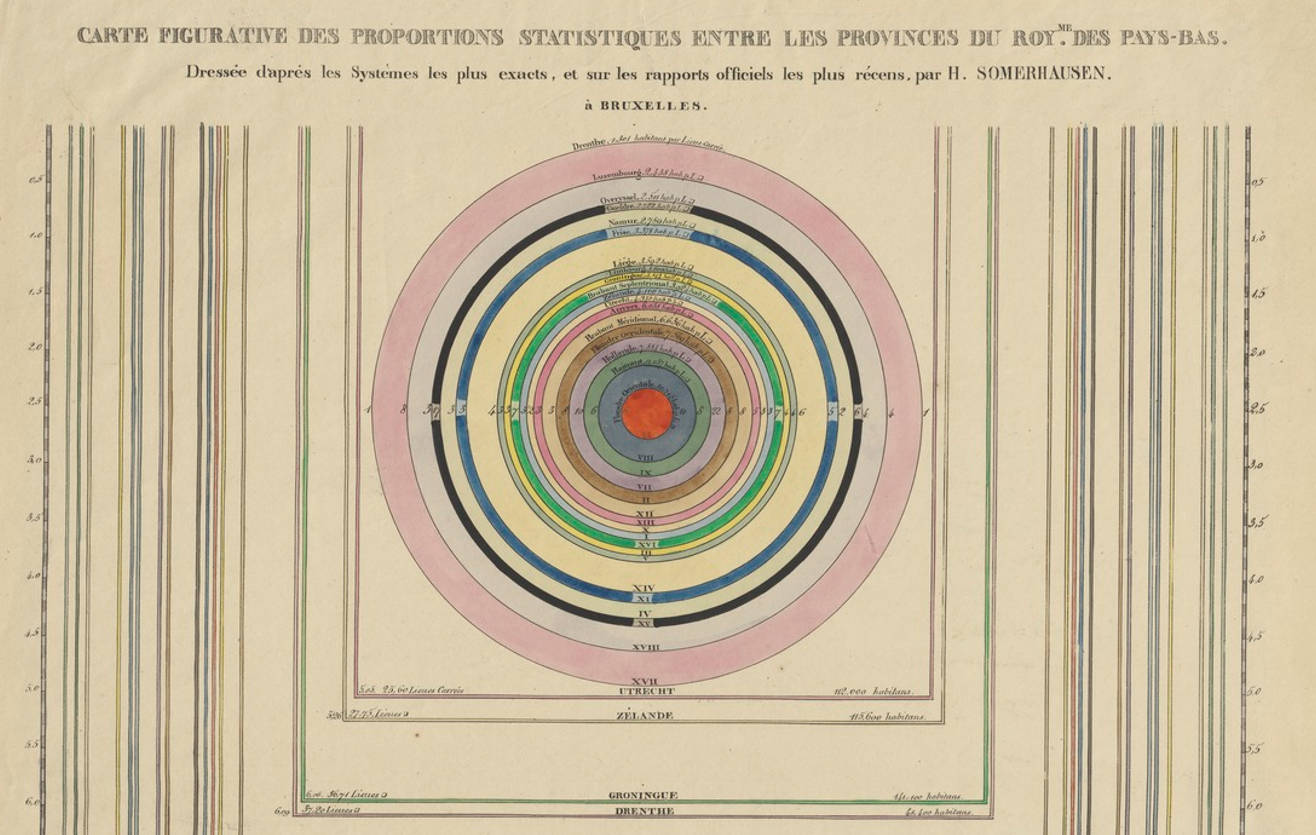
Dit artikel is een mini-tentoonstelling van vijf Nederlandse historische statistische diagrammen. Dergelijke afbeeldingen zijn tegenwoordig niet meer weg te denken uit ons alledaags leven; het ‘kijken’ naar statistiek in grafieken en diagrammen is gewoon geworden. Zulke statistische visualisaties vinden hun oorsprong in het midden van de negentiende eeuw, toen Nederlandse statistici begonnen te werken met…
-

Een historische blik op een hedendaags begrip
Consent: Een geschiedenis van dwang en vrije wil en alles daartussenin (Lannoo, 2025), samengesteld door Chanelle Delameillieure en Jolien Gijbels Het Engelse woord consent is inmiddels ook in de Nederlandse taal een ingeburgerd begrip. Door de wereldwijde #MeToo-beweging schoof het naar de voorgrond. Dat betekent echter niet dat het daarvoor niet bestond. Dat tonen historici…
-

A historical view at a contemporary concept
Consent: Een geschiedenis van dwang en vrije wil en alles daartussenin (“A history of force and free will and everything inbetween”), Lannoo, 2025, edited by Chanelle Delameillieure and Jolien Gijbels The English word “consent” has become a commonly used term in Dutch, with its popularity attributable to the global #MeToo movement. However, that does not…
-
A phantom in the museum
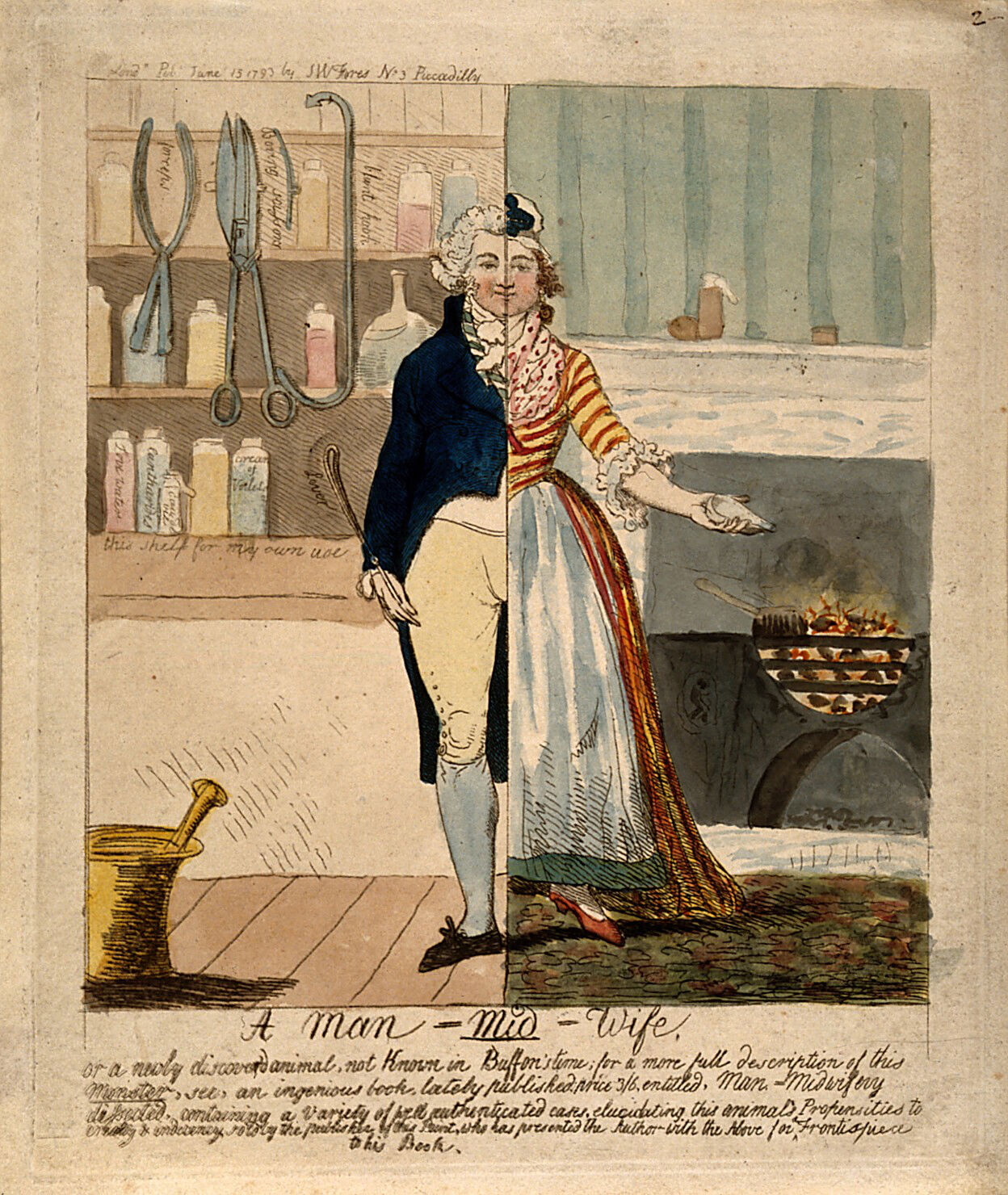
While wandering through the hallways of the Rijksmuseum Boerhaave in Leiden, there is a room where one encounters a peculiar object that immediately catches the attention. In the “Medical Room”, inside a glass showcase that closely resembles a modern incubator, lies a fragmented pregnant doll accompanied by a fetus-like model (Fig. 1). This object bears…
-
Rousseau on Science Education: The Delusion of Radical Independence
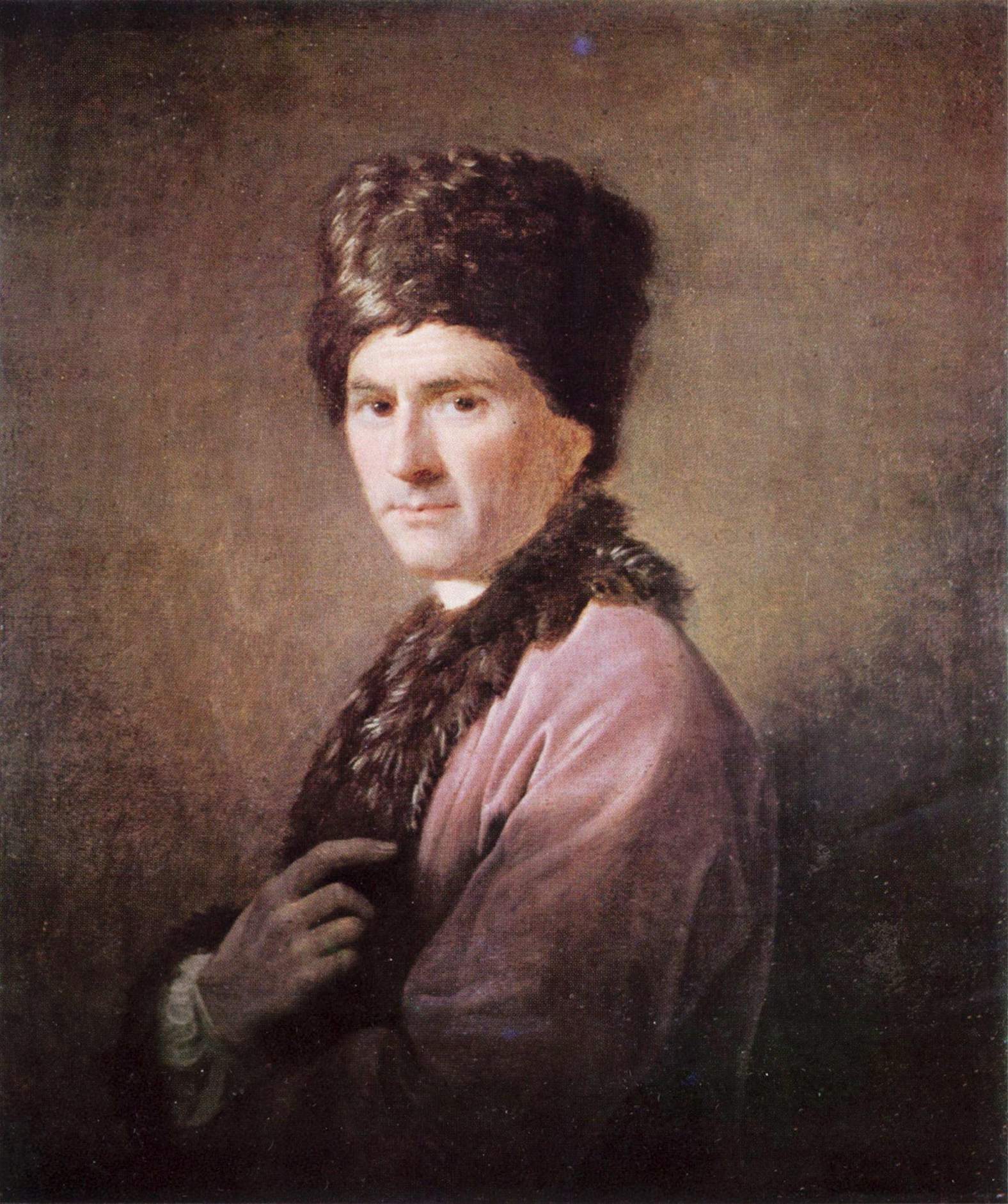
How is one to teach science? The conventional method is that a teacher sets out the received view on a certain topic and hopes that their students will somehow assimilate this view. An obvious drawback of this method is that it leaves students in the rather passive role of reproducing the ready-made knowledge presented to…
-
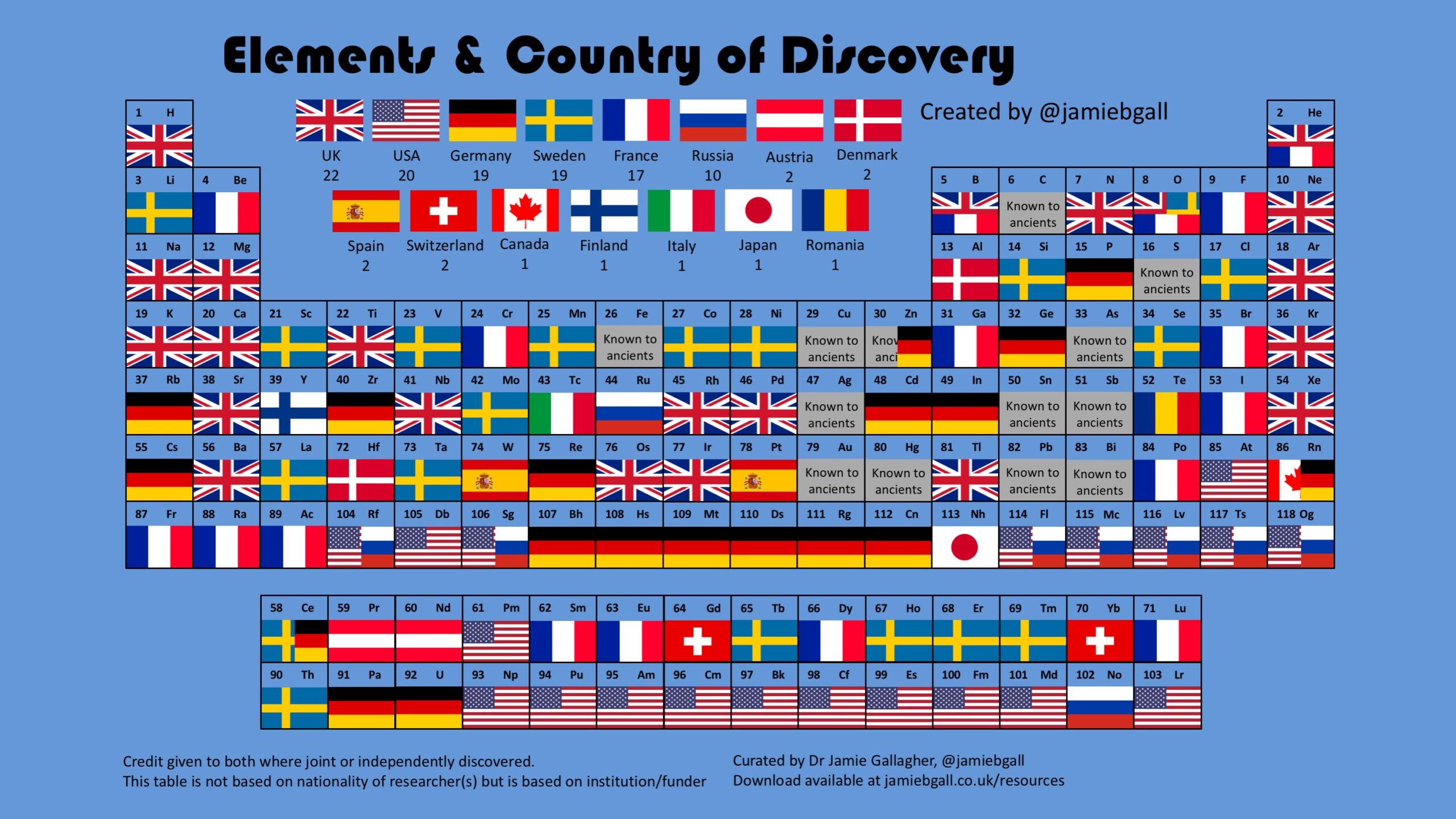
Understanding the Nature of Scientific Discovery through Stories about the Chemical Elements
Discovery histories fascinate. They are filled with “bravery, ingenuity, and insurmountable odds”, with “morality and miracles, science and sacrifice”; they are said to “open new horizons, provide new insights, and create cast fortunes.” People may find them compelling because such stories offer glimpses into the exciting world of science, and appear to reveal how scientific…
-
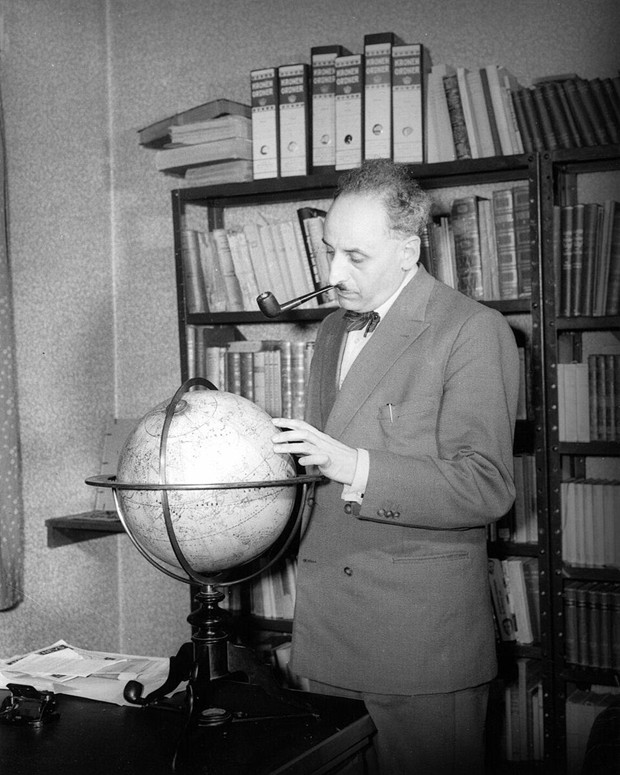
A Genealogy of Freudenthal’s Lincos, Part II: Intuitionistic Footprints Amongst the Stars
This article is the second part of a two-part series (the first one is to be found here), aiming to provide a short introduction to the intellectual history and genealogy of Hans Freudenthal’s Lingua Cosmica. This second part aims to show the subtle, yet fundamental influence played by the mathematical and philosophical school known as “intuitionism” in…
-
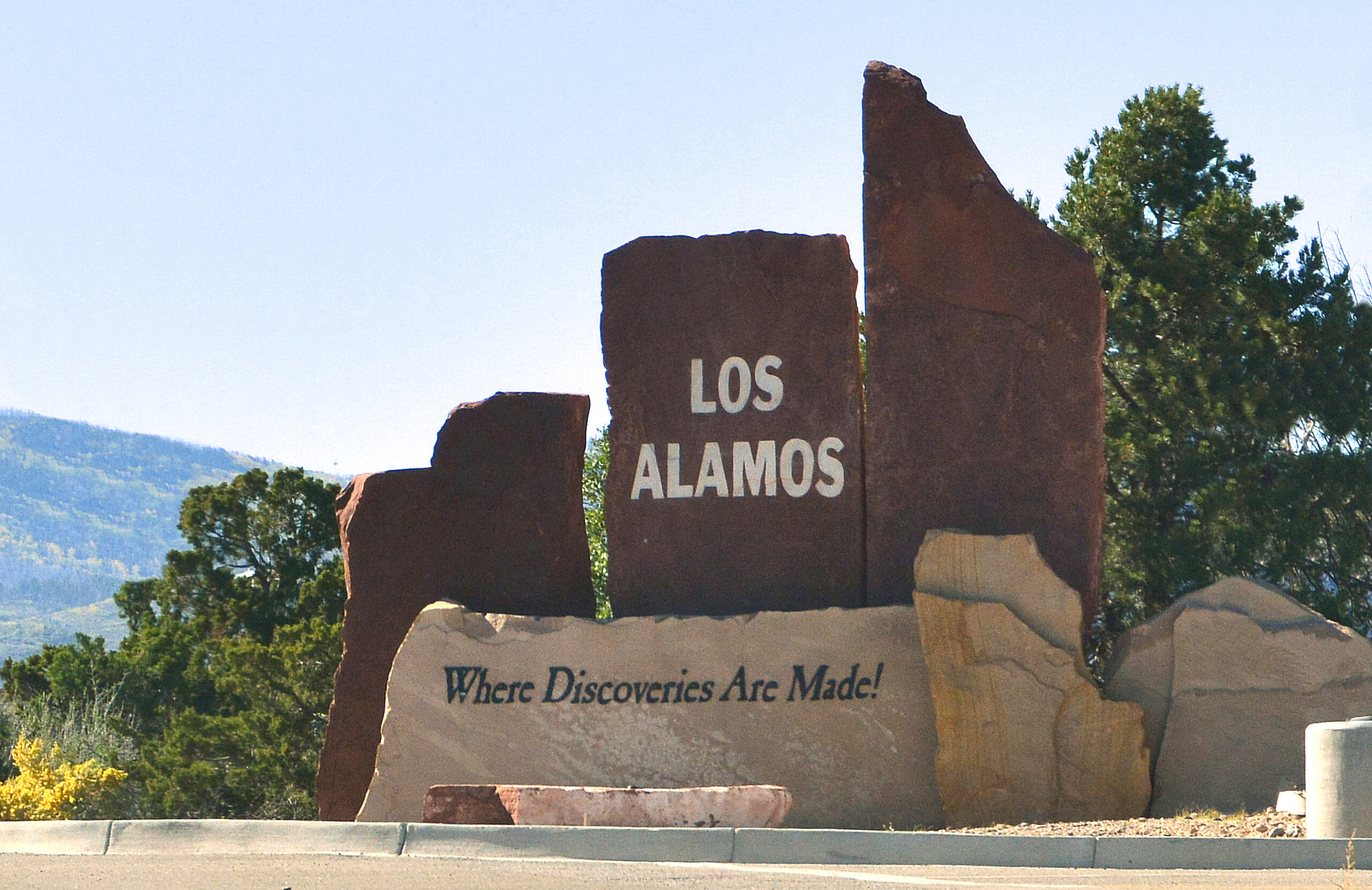
Het kernwapen: geheime wetenschap en verborgen technologie
Het is niet ongewoon om de twee wereldoorlogen in de twintigste eeuw te duiden met de eerste als die van de chemici en de tweede als die van de fysici. De Tweede Wereldoorlog werd inderdaad gedomineerd door vindingen van natuurkundigen zoals rakettechnologie en radar en natuurlijk niet in de laatste plaats door de atoombom. Maar…
-

On Trying: An Interview with Peter Galison
Peter Galison: I’m Peter Galison. I am a professor at Harvard University, where I’ve been for quite a while, and before that I taught at Stanford for about ten years. I grew up in New York City, and spent a year at École Polytechnique in Paris in a physics lab before I went to college.…
-
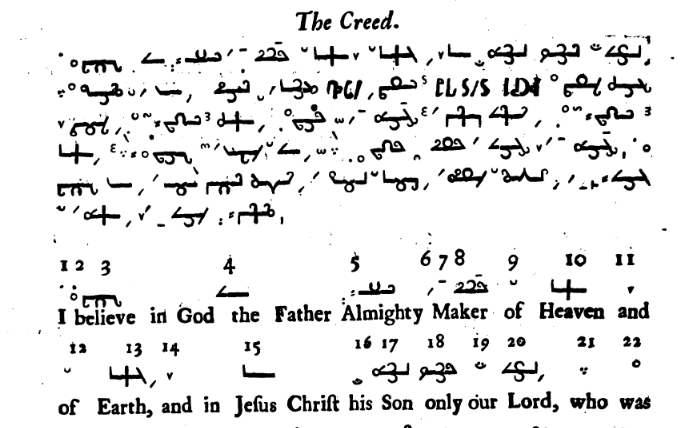
A Genealogy of Freudenthal’s Lincos, Part I: Looking up from the ruins of Babel
This article is the first part of a two-part series, aiming to provide a short introduction to the intellectual history and genealogy of Hans Freudenthal’s Lingua Cosmica. This first part aims to describe the many predecessors to Lincos, from the various attempts to create a “philosophical language” in the 17th century to the rise of…
-

Curating for the Curious: An Interview with Prof. Manon Parry
Dr. Manon S. Parry is Professor of Medical and Nursing History at the Vrije Universiteit, Amsterdam (VU), and Associate Professor of American Studies and Public History at the University of Amsterdam (UvA). In September 2025, Bianca Angelien Claveria, a PhD candidate from the Institute for History, Leiden University, and proud Shells and Pebbles editor, interviewed…
-
Living Pasts: Exploring Futures
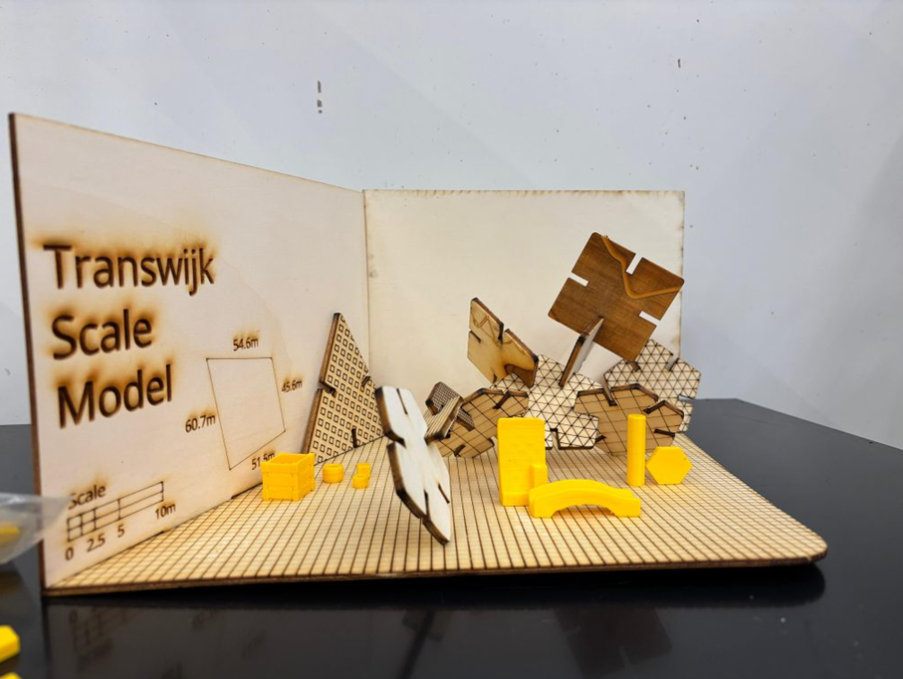
An innovative course connecting students to history, and history to the world of endless possibilities. The first thing students learn in the Living Pasts: Exploring Futures course is nothing will unfold quite the way they expect. On day one, no detailed overview of the course exists… yet. Students are told that the finer details take…
-
Verslag najaars-bijeenkomst Gewina 2025
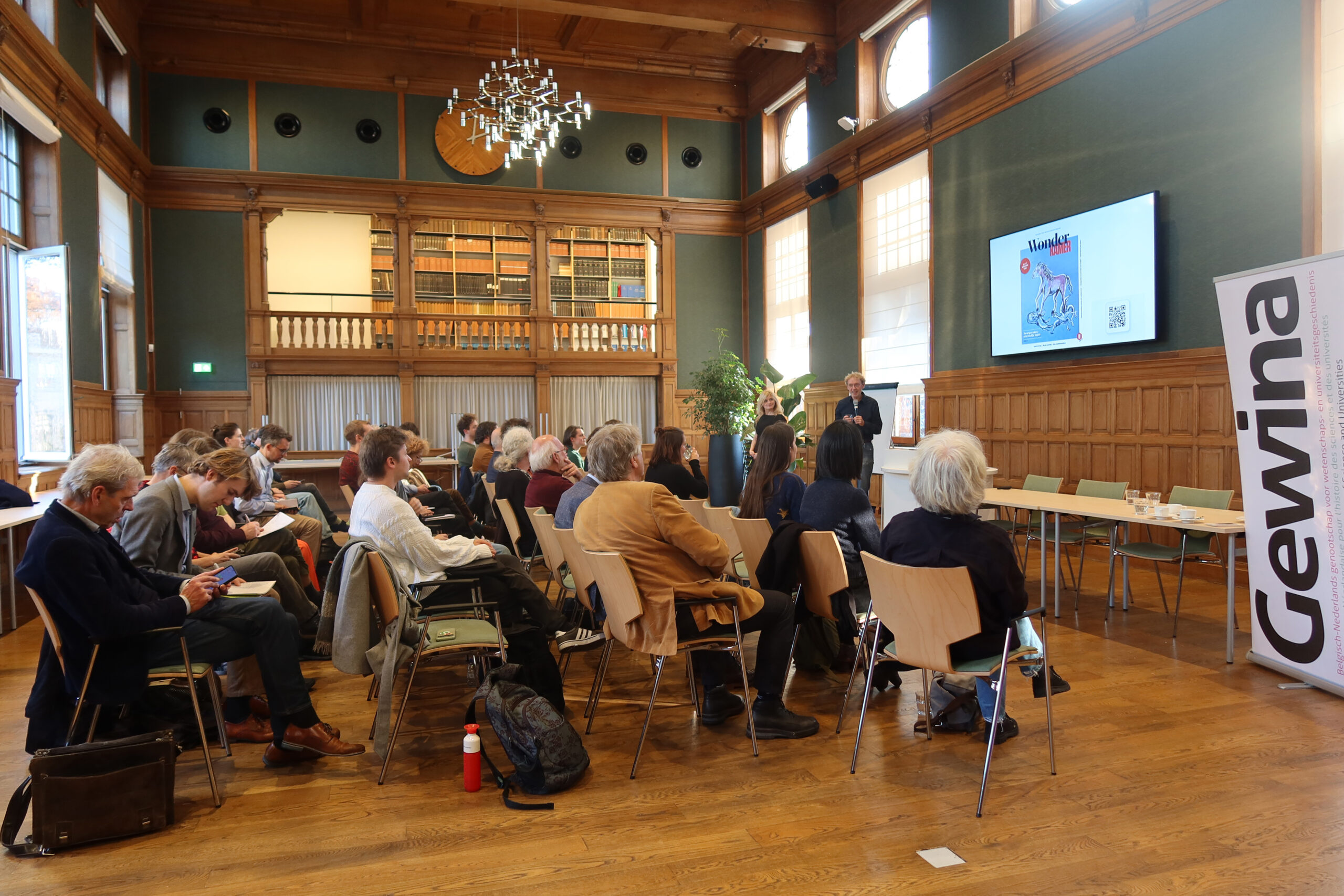
Anonieme kennis in de premoderne periode. Anonieme kennis zorgt voor heel wat uitdagingen binnen het historisch onderzoek. Dit gaat van praktische problemen, zoals het opslaan van de informatie in een database geordend volgens auteur, tot epistemologische vragen over de betrouwbaarheid van een anonieme bron. Bovendien worden er in een bron soms mensen verzwegen die bijdroegen…
-

Het kosmische perspectief: honderd jaar extragalactische sterrenkunde
Afbeelding: ESO/Juan Carlos Muñoz. We zijn eraan gewend geraakt om velerlei fraaie en fascinerende plaatjes van hemelobjecten langs te zien komen in kranten en tijdschriften, op televisie en internet. Een eeuw geleden lag dat nog heel anders. Naast dat waarnemingsinstrumenten zeer veel geavanceerder zijn geworden en korrelige zwart-wit foto’s vervangen zijn door kleurrijke electronische beelden,…
-
Education for a green future? A plea for historical perspectives in sustainability education
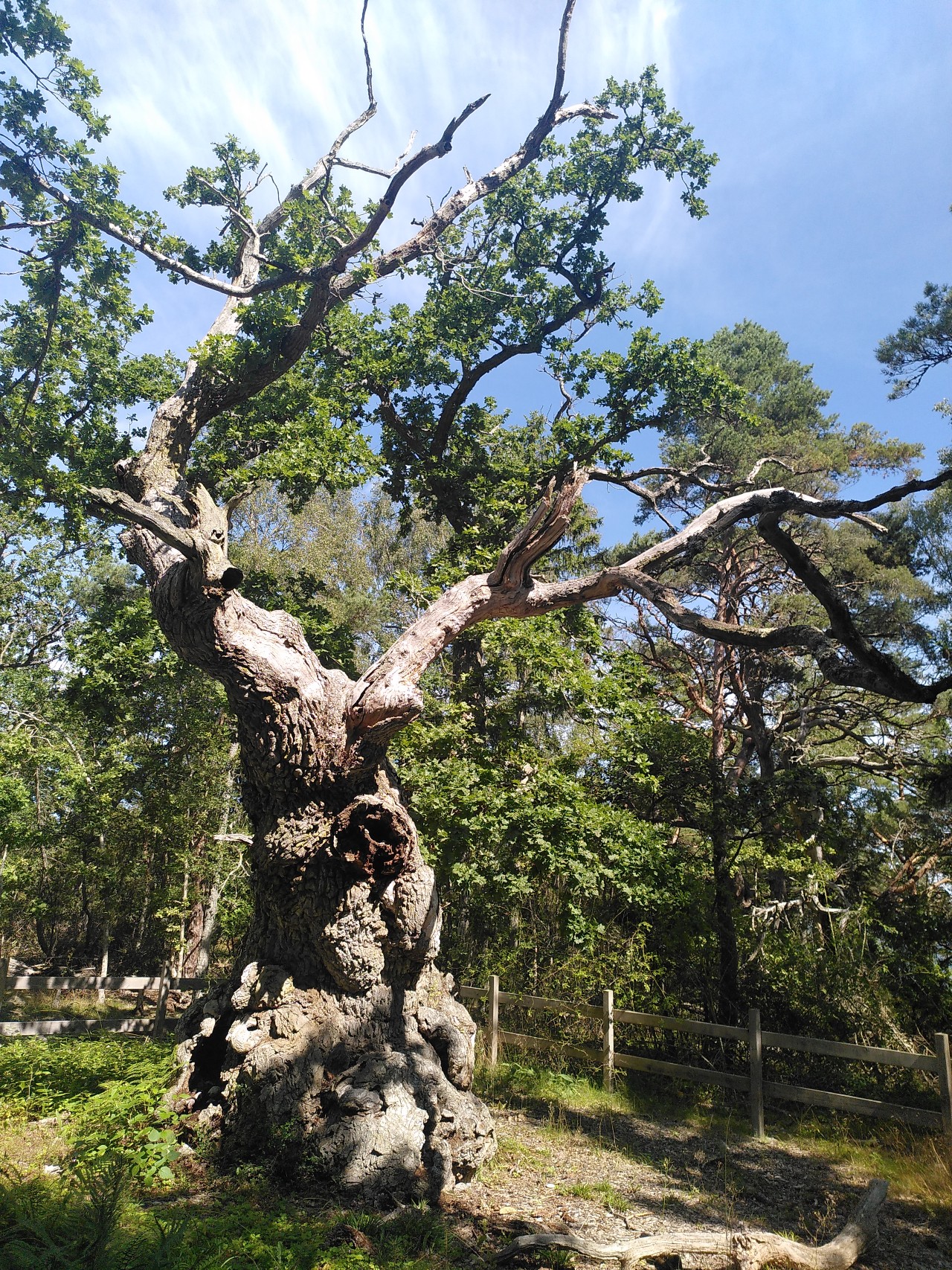
I am not a historian. Yet, as a sustainability education researcher, I know how important a historical perspective can be when dealing with sustainability issues. In this text, I show some of the clearest links between history and sustainability issues through the lens of sustainability education. Many issues that plague society are related to sustainability.…
-
The Discovery of Fission and Katharine Way, “Dear to the Community of Nuclear Physicists”
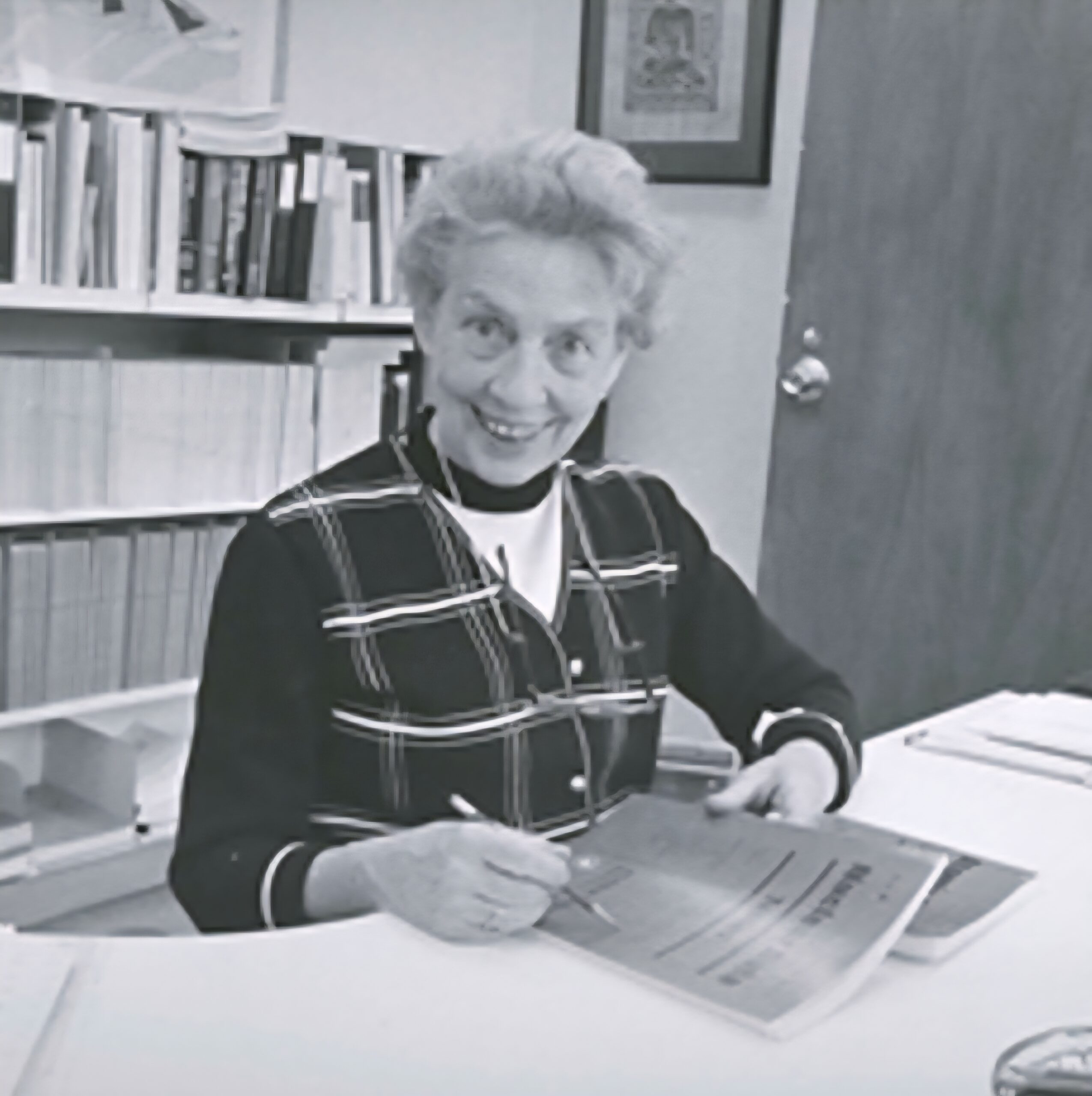
Tell me where all times past are. – John Donne 1. Introduction: a missed epoch-making discovery? As the century that saw the dawn of the nuclear age was drawing to a close, John A. Wheeler (1911-2008), approaching his ninetieth year, committed the memories of his long life and career to an autobiographical volume. An eminent…
-
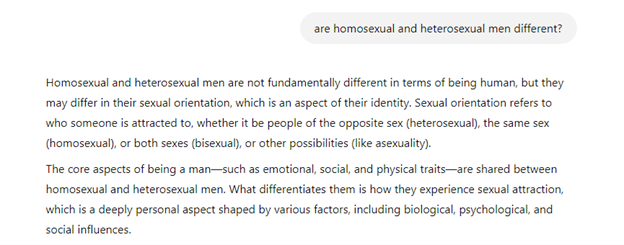
A Chat with ChatGPT
Artificial Intelligence (AI) has been increasingly present in columns of magazines and newspapers, in posts shared thousands of times on social media, and in the preoccupied voices of politicians, teachers, parents, and authorities of various degrees and provenance. The possibility of AI becoming a peril in the future is reflected in the doubts of many…
-
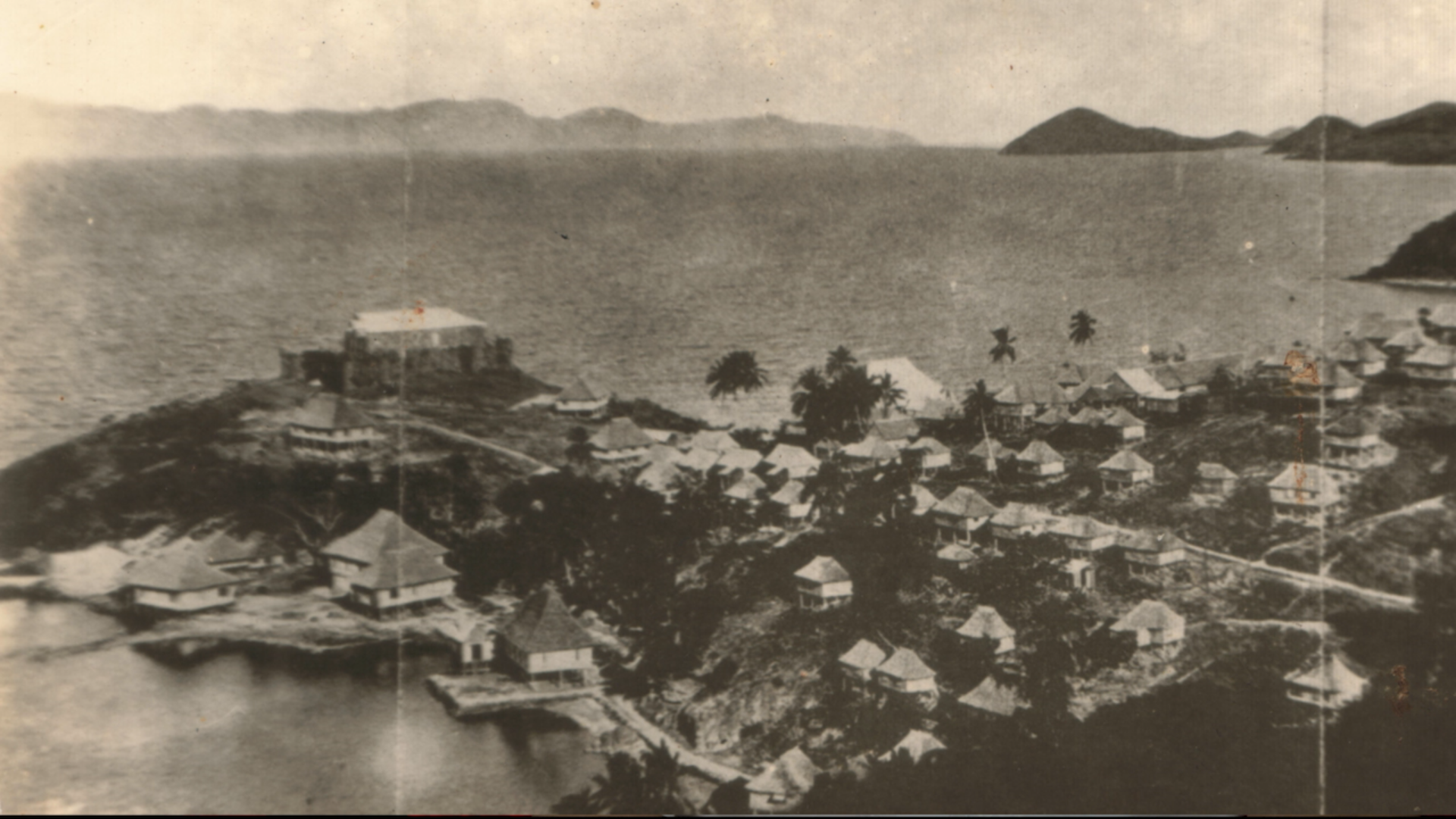
Mapalad: Fieldwork Notes from Culion
“Godzilla vs. Kong. Why was this movie chosen to entertain the ferry passengers? Was the movie a personal favorite, or was it the only movie available?” I asked myself, as I craned my neck and shifted uncomfortably on my seat to get a better view of the medium-sized television screen mounted on the wall several…